


IDA The Young: Songs That Travel Between Tenderness and Noise
Some bands are discovered through an algorithm. Others find you at exactly the right moment, in a small club, somewhere between the first note and the feeling that something is happening in front of you that you will want to carry home. That is how we encountered the Czech band IDA The Young, during their show at JMS Club in Subotica. Their songs, tender yet forceful, intimate yet expansive, felt like music that never demands attention, but earns it through honesty.
This conversation also marks a special moment for BOLD Magazine. As we celebrate our first anniversary, we are publishing our first interview conducted in English and opening our pages to artists from outside the former Yugoslavia. We could hardly have chosen more fitting guests. IDA The Young belong to a new generation of European bands unconcerned with rigid genre boundaries. Indie folk, alternative rock, electronics, silence and distortion all meet in their sound, while the songs remain close, almost tangible.
We spoke with the band about their debut album, Tell Me When You Pass The Sun, the recording process that preserved the energy of five people playing together, the unusual night in Subotica that ended with a hospital stay in Novi Sad, the Czech and Slovak independent scenes, and the music still to come. What follows is a story about friendship, curiosity and a band unafraid to let tenderness pass through noise.
Postoje bendovi koje otkrijete preko algoritma, a postoje i oni koji vas pronađu u pravom trenutku, u malom klubu, između prvog tona i osećaja da se pred vama dešava nešto što ćete želeti da ponesete sa sobom. Naš susret sa češkim bendom IDA The Young dogodio se upravo tako, tokom njihove svirke u JMS klubu u Subotici. Njihove pesme, istovremeno nežne i silovite, intimne i prostrane, ostavile su utisak muzike koja ne traži pažnju na silu, ali je dobija iskrenošću.
Ovaj razgovor za BOLD magazin ima i posebno značenje. Dok obeležavamo prvi rođendan, prvi put predstavljamo intervju vođen na engleskom jeziku i otvaramo prostor za umetnike izvan područja bivše Jugoslavije. Teško da smo mogli da poželimo prikladnije sagovornike. IDA The Young pripada novoj generaciji evropskih bendova koji ne priznaju stroge žanrovske granice. U njihovom zvuku susreću se indi folk, alternativni rok, elektronika, tišina i distorzija, dok pesme ostaju bliske, gotovo opipljive.
Sa članovima benda razgovarali smo o debitantskom albumu Tell Me When You Pass The Sun, snimanju koje je sačuvalo energiju njihovog zajedničkog sviranja, neobičnoj večeri u Subotici koja se završila u bolnici u Novom Sadu, češkoj i slovačkoj nezavisnoj sceni i muzici koja tek dolazi. Pred nama je priča o prijateljstvu, radoznalosti i bendu koji se ne plaši da nežnost provuče kroz buku.
IDA The Young is BOLD Magazine’s first interview with a band outside the ex-Yugoslav region, which feels like a beautiful way for us to mark our first birthday. How would you introduce your band to readers in Serbia who are discovering your music for the first time?
MK: We are a five piece band from Czech Republic (originally from Pilsen). Our music is a mixture of a lot of different things that we like. Until now we have released two EPs, one album and couple of singles. Some of it is more folky, some of it’s more rockin’ or electronic.
IDA The Young je prvi bend izvan prostora bivše Jugoslavije sa kojim BOLD magazin radi intervju, što nam deluje kao lep način da obeležimo prvi rođendan. Kako biste svoj bend predstavili čitaocima u Srbiji koji se prvi put susreću sa vašom muzikom?
MK: Mi smo petočlani bend iz Češke, poreklom iz Plzenja. Naša muzika je spoj mnogo različitih stvari koje volimo. Do sada smo objavili dva EP izdanja, jedan album i nekoliko singlova. Neke pesme više naginju folku, druge roku ili elektronici.
Your music moves between indie folk, alternative rock, fragile introspection and moments of soaring distortion. Do you see IDA The Young more as a folk band that slowly discovered electricity, or as a rock band that still keeps something very intimate and handmade at its core?
MK: I think both. I guess that its important for us not to set any genre boundaries when writing and instead do what feels exciting. All of us listen to lot of different music from classic folk and 90s alt rock to hyperpop or other types of electronic music.
Vaša muzika kreće se između indi folka, alternativnog roka, krhke introspekcije i trenutaka u kojima distorzija naglo narasta. Da li IDA The Young više vidite kao folk bend koji je postepeno otkrio struju ili kao rok bend koji u svojoj srži i dalje čuva nešto veoma intimno i ručno oblikovano?
MK: Mislim da smo i jedno i drugo. Važno nam je da tokom pisanja sebi ne postavljamo žanrovske granice, već da radimo ono što nas uzbuđuje. Svi slušamo mnogo različite muzike, od klasičnog folka i alternativnog roka devedesetih do hiperpopa i drugih vrsta elektronske muzike.
I had the chance to hear you live at JMS Club in Subotica, and what stayed with me was the atmosphere, warm, cinematic, emotional, but also powerful when it needed to be. How important is the live show in shaping what IDA The Young really is?
PK: Thanks for the kind words. That particular show was a very weird one for us. Before we arrived there we’d been stuck at the Hungarian border for two or three hours, sorting out different bureaucratic things. We were in the middle of our ten day tour and a little tired from sitting in the car in the heat all the time. And all of it was happening in the midst of Mára’s (then unrecognized) appendicitis, so he was feeling ill and didn’t even know why. When we arrived to the venue it was already an hour or so after we were supposed to go on, so we just quickly unpacked the most necessary stuff, Mára took a painkiller and being very desoriented we sort of rushed through the songs. After the concert we were just wasted. And then the next day Mára had to be hospitalised in Novi Sad, which put an end to the whole tour. It was a crazy moment for sure. But I remember there were people who really enjoyed the show and talked to us afterwards. And they also played a deep cut from Squarepusher’s Ultravisitor in the middle of a playlist that had been playing there in the pub. That was highly unexpected. I was just listening to that album a few days earlier!
Imao sam priliku da vas čujem uživo u JMS klubu u Subotici, a ono što mi je ostalo u sećanju bila je atmosfera, topla, filmska i emotivna, ali i snažna kada je to bilo potrebno. Koliko je koncert važan u oblikovanju onoga što IDA The Young zaista jeste?
PK: Hvala na lepim rečima. Taj koncert je za nas bio veoma neobičan. Pre nego što smo stigli, proveli smo dva ili tri sata zaglavljeni na mađarskoj granici, rešavajući različite birokratske stvari. Bili smo usred desetodnevne turneje i već pomalo umorni od stalnog sedenja u automobilu po vrućini. Uz sve to, Mára je imao upalu slepog creva, koja tada još nije bila prepoznata, pa mu je bilo loše, a nije ni znao zbog čega.
Kada smo stigli u klub, već je prošlo oko sat vremena od termina u kojem je trebalo da počnemo. Na brzinu smo izneli samo ono najneophodnije, Mára je popio lek protiv bolova i, potpuno dezorijentisani, nekako smo projurili kroz pesme. Posle koncerta bili smo sasvim iscrpljeni. Već narednog dana Mára je morao da bude primljen u bolnicu u Novom Sadu, čime je čitava turneja završena. Bio je to zaista lud trenutak.
Ipak, sećam se ljudi koji su iskreno uživali u nastupu i koji su posle razgovarali sa nama. U jednom trenutku, usred plejliste koja se vrtela u lokalu, pustili su i jednu manje poznatu numeru sa albuma Ultravisitor Squarepushera. To nikako nisam očekivao. Baš sam nekoliko dana ranije slušao taj album!
The band started when Iris moved to Pilsen and met Marek, and later grew into a fuller group with more voices, instruments and textures. How did that first musical connection develop into the world that IDA The Young has today?
MK: It all happened kinda organically. Our drummer Filip joined almost right away because I was playing with him in other bands. Kuba (keys, synths and bass player) then asked me if he could sometime come and play with us, which then lead to him joining the band. Pája recorded our both EPs before he joined the band. So it was all pretty natural, and we would be friends even if we weren’t in a band together.
Bend je nastao kada se Iris preselila u Plzenj i upoznala Mareka, a kasnije je prerastao u puniji sastav sa više glasova, instrumenata i zvučnih slojeva. Kako se ta prva muzička povezanost razvila u svet koji IDA The Young danas gradi?
MK: Sve se dogodilo prilično organski. Naš bubnjar Filip pridružio nam se gotovo odmah, jer sam već svirao sa njim u drugim bendovima. Kuba, koji svira klavijature, sintisajzere i bas, zatim me je pitao da li bi nekada mogao da dođe i svira sa nama, što je na kraju dovelo do toga da postane član benda. Pája je snimio oba naša EP izdanja pre nego što nam se i sam pridružio. Sve je, dakle, teklo sasvim prirodno, a bili bismo prijatelji i da nismo zajedno u bendu.
Your debut album Tell Me When You Pass The Sun sounds like a record that balances tenderness and intensity, quiet details and bigger emotional waves. What was the central feeling you wanted to capture with this album?
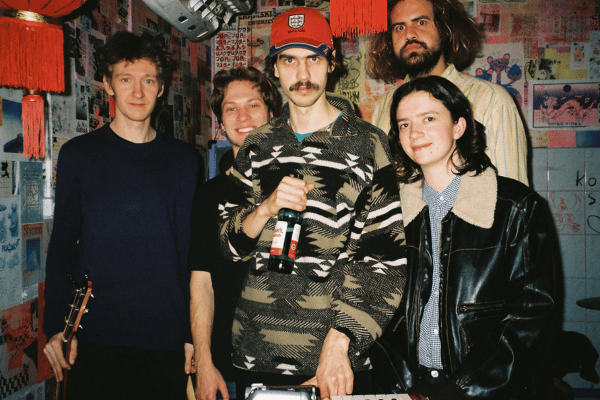
PK: Thanks for acknowledging all of these sides of it, though I don’t think we had a central feeling in mind when we were doing the album. We mainly just wanted to capture how it sounds when the five of us play together. That differs from song to song, of course, but I would say that a certain closeness (being close together as a band as well as the sound of it being close to the listener) is a subconscious theme of sorts for the album. It’s a documentation of the week we spent recording it in Brno. The basis of it are live takes with a few overdubs. To me it’s essentially a dressed up live album, that’s how I look at it.
Vaš debitantski album Tell Me When You Pass The Sun zvuči kao ploča koja uspostavlja ravnotežu između nežnosti i intenziteta, tihih detalja i velikih emotivnih talasa. Koje ste centralno osećanje želeli da sačuvate na ovom albumu?
PK: Hvala vam što ste prepoznali sve te njegove strane, iako ne mislim da smo tokom rada imali jedno centralno osećanje na umu. Pre svega smo želeli da zabeležimo kako zvuči kada nas petoro svira zajedno. To se, naravno, razlikuje od pesme do pesme, ali rekao bih da je određena bliskost jedna vrsta nesvesne teme albuma. Mislim i na našu međusobnu bliskost kao benda i na utisak da se zvuk nalazi sasvim blizu slušaoca.
Album je dokument nedelje koju smo proveli snimajući u Brnu. Njegovu osnovu čine snimci zajedničkog izvođenja uživo, uz nekoliko naknadno dosnimljenih deonica. Za mene je to, u suštini, studijski doteran live album. Tako ga doživljavam.
The title Tell Me When You Pass The Sun feels poetic, almost like a message sent across distance, time or some inner landscape. What does that title mean to you?
IHM: I usually try and look for some image that I feel interweaves between all the songs on the album, on the last EP it was silver and this time it was the Sun. It’s something that we view as quite poetic and romantic but once you look closer, it’s just a burning ball of gas, something you don’t want to be close to. I think the lyrics often go from fantasy to something very intense, almost scientific, sci-fi. This is what the title came from.
Naslov Tell Me When You Pass The Sun zvuči poetično, gotovo kao poruka poslata kroz udaljenost, vreme ili neki unutrašnji pejzaž. Šta taj naslov znači vama?
IHM: Obično pokušavam da pronađem neku sliku za koju osećam da se provlači kroz sve pesme na albumu. Na prethodnom EP izdanju to je bilo srebro, a ovoga puta Sunce. Doživljavamo ga kao nešto veoma poetično i romantično, ali kada ga pažljivije pogledate, ono je samo užarena lopta gasa, nešto čemu nikako ne želite da budete blizu.
Mislim da tekstovi često prelaze iz fantazije u nešto veoma intenzivno, gotovo naučno ili naučnofantastično. Iz toga je nastao naslov.
Your songs often feel handcrafted and cinematic at the same time, as if they could live both in a small room and on a much bigger screen. Do you usually write from personal stories, visual images, emotions, or from sound itself?
IHM: It’s a real mix of these for me. I often get inspired by films, dialogue that I overhear or moments from my own life. I find that even if I write a song that I don’t think is that personal, I look back and find it reveals a lot about myself in that moment. ‘Lava Song’ was inspired by this documentary called ‘Fire of Love’ about two scientists studying volcanos. The film was so visually striking it really felt as if I could slip into that world and write a song about it quite easily, just writing about the images that I saw was enough.
Vaše pesme istovremeno deluju pažljivo oblikovano i filmski, kao da mogu da žive i u maloj sobi i na mnogo većem platnu. Kada pišete, polazite li najčešće od ličnih priča, vizuelnih prizora, emocija ili od samog zvuka?
IHM: Za mene je to pravi spoj svega navedenog. Često me inspirišu filmovi, delovi razgovora koje slučajno čujem ili trenuci iz mog života. Čak i kada napišem pesmu za koju u tom času ne mislim da je naročito lična, kasnije joj se vratim i shvatim da otkriva mnogo o tome kakva sam tada bila.
Lava Song je inspirisana dokumentarnim filmom Fire of Love, o dvoje naučnika koji proučavaju vulkane. Film je bio toliko vizuelno upečatljiv da sam imala osećaj kao da mogu sasvim lako da uđem u taj svet i napišem pesmu o njemu. Bilo je dovoljno samo da pišem o prizorima koje sam videla.
There is a strong contrast in your music between softness and noise, intimacy and expansion, acoustic warmth and electric texture. What attracts you to those contrasts?
PK: As Mára was saying earlier, we listen to a lot of different types of music, so it makes sense to us to mix these things together. Say for instance the ending of Common Knowledge. It has that big electronic ending, but Mára wrote the song on guitar. So I heard the demo and because I was listening to a lot of electronic things at the time it occurred to me to arrange it for synthesizer and drum machine. So then it became this big powerful part of the song, but we left the bridge stay small and folky. Actually now that I think of it, a lot of our songs do this quiet-before-loud thing. Red, Roosevelt Street, Mr. Pie,… yeah, mainly the older ones. Anyway, we like these contrasts, they make it sound more exciting and surprising. If you have a quiet intro and then you drop into a loud verse (or vice versa), it feels bigger then if they were both the same dynamic.
U vašoj muzici postoji snažan kontrast između mekoće i buke, intimnosti i ekspanzije, akustične topline i električnih tekstura. Šta vas privlači tim suprotnostima?
PK: Kao što je Mára ranije rekao, slušamo mnogo različitih vrsta muzike, pa nam je sasvim prirodno da ih spajamo. Uzmimo, na primer, završnicu pesme Common Knowledge. Ona ima veliku elektronsku kulminaciju, ali je Mára pesmu napisao na gitari. Kada sam čuo demo, a u to vreme sam slušao mnogo elektronske muzike, palo mi je na pamet da taj deo aranžiram za sintisajzer i ritam mašinu. Tako je postao snažan i moćan deo pesme, dok smo prelaz ostavili tihim, svedenim i folk obojenim.
Sada kada razmislim, mnoge naše pesme imaju taj princip tišine pre glasnog naleta. Red, Roosevelt Street, Mr. Pie… Da, uglavnom starije stvari. U svakom slučaju, volimo te kontraste jer zvuk čine uzbudljivijim i nepredvidljivijim. Ako imate tihi uvod, a zatim pređete u glasan stih, ili obrnuto, promena deluje snažnije nego kada bi oba dela imala isti intenzitet.
Ida The Young is connected to the Czech DIY scene and Korobushka Records. How important is that sense of community, friendship and independent culture for the way you create and release music?
MK: It is definitely important for us to feel comfortable and share the same values with whoever we are working with. I’ve met so many amazing people playing concerts with this band! Regarding the independency, we like to try and do as much stuff as possible by ourselves. On one hand for sustainability reasons, but also because I think there is a great value in teaching yourself new things. Also now even if we would start working with someone (manager or booker) we already know how to navigate ourselves in different situations.
IDA The Young je povezan sa češkom DIY scenom i izdavačkom kućom Korobushka Records. Koliko su osećaj zajedništva, prijateljstvo i nezavisna kultura važni za način na koji stvarate i objavljujete muziku?
MK: Veoma nam je važno da se osećamo prijatno i da delimo iste vrednosti sa svima sa kojima radimo. Svirajući sa ovim bendom upoznao sam toliko sjajnih ljudi. Kada je reč o nezavisnosti, trudimo se da što više toga uradimo sami. Delom iz razloga održivosti, ali i zato što verujem da veliku vrednost ima to kada sami sebe naučite nečemu novom.
Čak i ako sada počnemo da sarađujemo sa nekim, bilo da je reč o menadžeru ili bukeru, već znamo kako da se snađemo u različitim situacijama.
You have played many shows in the last couple of years, including concerts outside the Czech Republic. What did you learn about your own music by bringing it to different cities, audiences and scenes?
PK: We learned to be okay with whatever happens. Sometimes it might be the best night of the tour and the other it might be a complete disaster where people don’t really get what we’re trying to do. You learn to be more humble by going to places where people don’t know you and your music and you really have to believe in what you’re doing and try to up your game a little bit. Some bands here in Prague just play the same venues over and over and there are always people going to their shows because they know them, but when they arrive to a small place in other country they’ve never played, they try to do their show and it might fall flat because people there maybe don’t really get it, or to them they aren’t the great big thing they are in Prague. So you learn by playing a lot of gigs at a lot of different places to be humble and sincere. And thankful that you get to that.
Tokom prethodnih nekoliko godina održali ste mnogo koncerata, uključujući i nastupe izvan Češke. Šta ste o sopstvenoj muzici naučili noseći je u različite gradove, pred novu publiku i na druge scene?
PK: Naučili smo da prihvatimo šta god da se dogodi. Jedne večeri to može biti najbolji koncert na turneji, a već sledeće potpuna katastrofa, tokom koje ljudi uopšte ne razumeju šta pokušavamo da uradimo. Odlazak na mesta na kojima publika ne poznaje ni vas ni vašu muziku uči vas skromnosti. Tada zaista morate da verujete u ono što radite i pokušate da izvučete malo više iz sebe.
Neki bendovi ovde u Pragu stalno sviraju u istim prostorima i ljudi uvek dolaze na njihove nastupe jer ih poznaju. Međutim, kada stignu u neko malo mesto u drugoj zemlji, gde nikada ranije nisu svirali, njihov nastup ponekad jednostavno ne naiđe na pravi odjek. Možda tamošnja publika ne razume sasvim šta rade ili ih ne doživljava kao veliku pojavu kakva su u Pragu. Kada svirate mnogo koncerata na različitim mestima, naučite da budete skromni i iskreni. I zahvalni što uopšte imate priliku da sve to proživite.
For many people in Serbia, Czech indie and alternative music is still something waiting to be discovered. Are there any Czech artists, bands or scenes you would love our readers to explore after discovering IDA The Young?
MK: Yes, there are so many great Czech bands! Our shared favorites are for example sinks (recently disbanded :/) and Manon Meurt. Those are the best post punk band I’ve ever heard and the best shoegaze band I’ve heard, respectively. We also love our friend Hello Incognito, who just released an amazing album a couple of months ago!
IHM: Slovakia also has an amazing music scene, that crosses over with ours quite frequently. I especially love the label Mappa, which is an amazing independent label which releases some incredible more experimental, ambient, folky stuff. You can tell they really put a lot of care into each album they put out, just read the descriptions of their releases on bandcamp and you will be convinced!
Za mnoge ljude u Srbiji češka indi i alternativna muzika još je neotkrivena teritorija. Postoje li češki izvođači, bendovi ili scene koje biste voleli da naši čitaoci istraže nakon što upoznaju IDA The Young?
MK: Da, u Češkoj ima toliko sjajnih bendova! Među našim zajedničkim favoritima su, na primer, sinks, koji se nedavno raspao, nažalost, i Manon Meurt. Po mom mišljenju, prvi je najbolji postpank bend koji sam ikada čuo, a drugi najbolji šugejz bend. Volimo i našeg prijatelja Hello Incognito, koji je pre nekoliko meseci objavio sjajan album!
IHM: I Slovačka ima izvanrednu muzičku scenu, koja se veoma često prepliće sa našom. Posebno volim Mappu, sjajnu nezavisnu izdavačku kuću koja objavljuje neverovatnu, nešto eksperimentalniju, ambijentalnu i folk muziku. Može se osetiti koliko pažnje posvećuju svakom albumu koji izdaju. Dovoljno je da na Bandcampu pročitate opise njihovih izdanja i bićete uvereni!
After releasing your debut album and playing it live, where do you feel the band is heading next, deeper into the same emotional landscape, toward a louder and more electric sound, or toward something you cannot name yet?
MK: We already recorded our next album and it is definitely more experimental than everything we have done so far, which feels very exciting! One of the main goals with this record was to use the studio as an instrument more (some songs were even made from scratch in the studio). It will be louder and less folky than our previous stuff.
Nakon objavljivanja debitantskog albuma i njegovog koncertnog života, u kom pravcu osećate da bend sada ide? Da li dublje ulazite u isti emotivni pejzaž, krećete se ka glasnijem i električnijem zvuku ili prema nečemu što još ne umete da imenujete?
MK: Već smo snimili sledeći album i on je definitivno eksperimentalniji od svega što smo do sada uradili, što nas veoma uzbuđuje. Jedan od glavnih ciljeva bio je da studio u većoj meri koristimo kao instrument. Neke pesme su čak od početka nastale upravo u studiju. Biće glasniji i manje folk orijentisan od naše prethodne muzike.
Podržite/support IDA The Young:
- Website: www.idatheyoung.eu
- Instagram: idatheyoung
- Facebook: idatheyoung
- YouTube: @IdaTheYoung
- Bandcamp: idatheyoung.bandcamp.com
- Korobushka records
Photo credit: @pája, @f.ran_ta
